Acupuncture for Low Back Pain and Sciatica in Boston: A Case Study on Chronic Tension, Inflammation, and Mobility Recovery
Names and identifying details have been changed to protect patient privacy. Book A ServiceContact UsAt North End Acupuncture, many patients initially seek treatment because pain has started interfering with their ability to live normally. What often begins as occasional tightness or discomfort gradually develops into chronic tension, inflammation, and restricted movement that affects work, exercise, sleep, and overall quality of life.
That was the case for Michael.
At 42 years old, Michael came to our Boston acupuncture clinic struggling with chronic low back pain and sciatic discomfort that had progressively worsened over time. His symptoms were aggravated both by prolonged sitting during the workday and by exercise afterward, creating a frustrating cycle where movement helped temporarily but also triggered flare-ups later.
Like many active adults, Michael felt caught between wanting to stay healthy and feeling limited by persistent pain.
When Low Back Pain Becomes More Than Muscle Tightness
Michael described his symptoms as a constant deep tightness across the lower back combined with intermittent sciatic discomfort extending into the glute and upper leg.
His pain worsened:
- after sitting for long periods
- during certain gym exercises
- after intense workouts
- first thing in the morning
He also noticed:
- reduced flexibility
- stiffness transitioning from sitting to standing
- lingering soreness after activity
- difficulty fully recovering between workouts
One of the most common patterns we see in chronic low back pain cases at our Boston acupuncture clinic is that patients gradually begin adapting their entire movement patterns around pain.
Over time, the body develops:
- chronic muscular guarding
- restricted circulation
- fascial tightness
- reduced mobility
- increased nervous system sensitivity
At that point, the issue is no longer just structural irritation alone. The nervous system and musculoskeletal system begin reinforcing the pain cycle together.
Looking Beyond Structural Findings Alone
Many patients with chronic low back pain become highly focused on imaging results or structural diagnoses.
While disc issues, degeneration, or inflammation may absolutely contribute to symptoms, pain severity often reflects much more than anatomy alone.
In Michael’s case, several overlapping patterns were contributing to his discomfort:
- chronic muscular tension
- inflammation
- reduced tissue mobility
- prolonged compression from sitting
- inadequate recovery between physical stressors
One of the primary treatment goals was helping the body stop remaining in a prolonged protective tension response.
This is an important part of chronic pain recovery that is often overlooked. Muscles that remain guarded for months or years begin creating their own pain and movement dysfunction independently of the original injury.
At North End Acupuncture, we frequently see patients whose nervous systems have become so accustomed to protecting an area that the body struggles to fully relax even when resting.
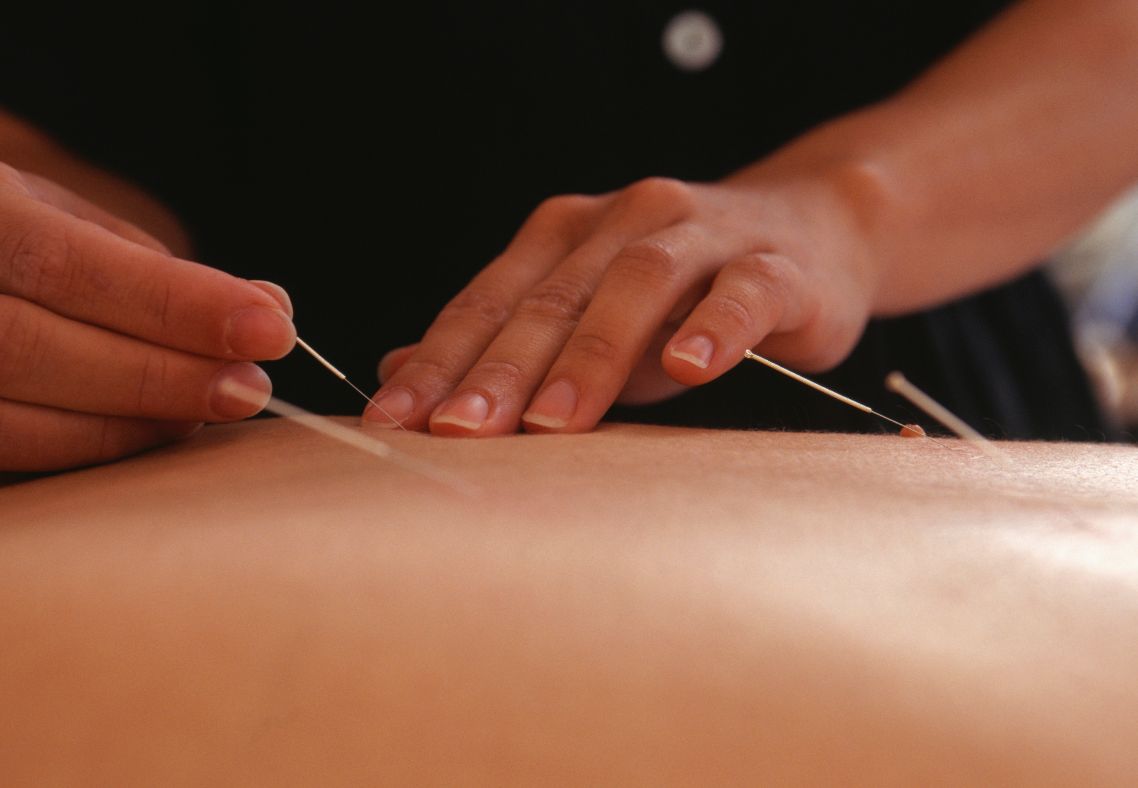
His Acupuncture, Electroacupuncture, and Gua Sha Treatment Plan
Michael began a treatment plan combining:
- acupuncture
- electroacupuncture
- gua sha therapy
Treatment focused on:
- reducing inflammation
- improving circulation
- relaxing tight musculature
- decreasing sciatic irritation
- restoring normal movement patterns
Electroacupuncture was incorporated regularly throughout treatment to stimulate deeper muscular release and improve neuromuscular communication in chronically restricted tissues.
This technique can be particularly effective for low back pain and sciatica because it helps address both muscular tension and nervous system sensitivity simultaneously.
Gua sha therapy was also used throughout treatment to improve fascial mobility and reduce long standing muscular stagnation throughout the lumbar spine, hips, and gluteal region.
Many patients describe gua sha therapy as helping areas feel “unstuck” for the first time in years.
The Early Changes We Began Seeing
One of the most important things we explain to chronic pain patients is that improvement usually happens progressively.
For Michael, the first major improvements were not complete pain elimination.
Instead, he noticed:
- less stiffness after sitting
- improved mobility during workouts
- reduced post exercise flare ups
- easier transitions getting out of bed
- less constant muscular tightness
Clinically, these early changes are significant because they indicate the body is beginning to tolerate movement more normally again.
In chronic pain cases, restoring confidence in movement is often just as important as reducing pain intensity itself.
As inflammation decreases and circulation improves, tissues generally recover more efficiently and the nervous system becomes less reactive to stress and movement.
Returning to Exercise Comfortably Again
One of Michael’s primary goals was returning to regular workouts without worrying about triggering severe pain afterward.
This is something we hear frequently from active adults seeking acupuncture for low back pain in Boston. Many patients are not looking to stop exercising. They simply want their body to respond more normally to movement and recovery again.
After approximately two months of consistent care:
- pain levels dropped substantially
- sciatic discomfort became infrequent
- mobility improved significantly
- workouts became far more comfortable
Perhaps most importantly, Michael no longer felt like his body was constantly bracing against movement.
That shift often marks a major turning point in chronic pain recovery.
What This Case Reveals About Chronic Low Back Pain
Cases like Michael’s highlight an important reality about chronic pain treatment:
Low back pain and sciatica are often not caused by one isolated issue alone.
In many patients, symptoms involve overlapping patterns related to:
- inflammation
- nervous system sensitization
- muscular guarding
- restricted circulation
- fascial tightness
- poor recovery capacity
At North End Acupuncture, our approach focuses not only on pain relief, but on improving how the body regulates tension, movement, and recovery overall.
That broader systems based approach is often what creates longer lasting improvement.
Looking for Acupuncture for Low Back Pain or Sciatica in Boston?
If you are struggling with:
- chronic low back pain
- sciatica
- hip tightness
- stiffness from prolonged sitting
- workout related flare ups
- chronic muscular tension
North End Acupuncture offers personalized acupuncture, electroacupuncture, and gua sha therapy treatments designed to reduce pain, restore mobility, and support long term recovery naturally.
Our Boston acupuncture clinic works with professionals, active adults, and athletes seeking a more comprehensive approach to chronic pain relief.
Schedule your consultation today and discover how acupuncture for low back pain in Boston can help restore movement, reduce inflammation, and support lasting recovery naturally.
Choose yourself
Contact us today to learn more about our acupuncture services or to book your appointment. Experience the benefits of an acupuncture session with North End Acupuncture.